The 2014 study by Tiffany Tseng, Maria Yang and Stephen Ruthmann followed 22 undergraduate music-education students in six teams over three weeks. Teams designed low-cost musical construction kits and activities, tested prototypes outside their group, and documented their work on shared project pages.
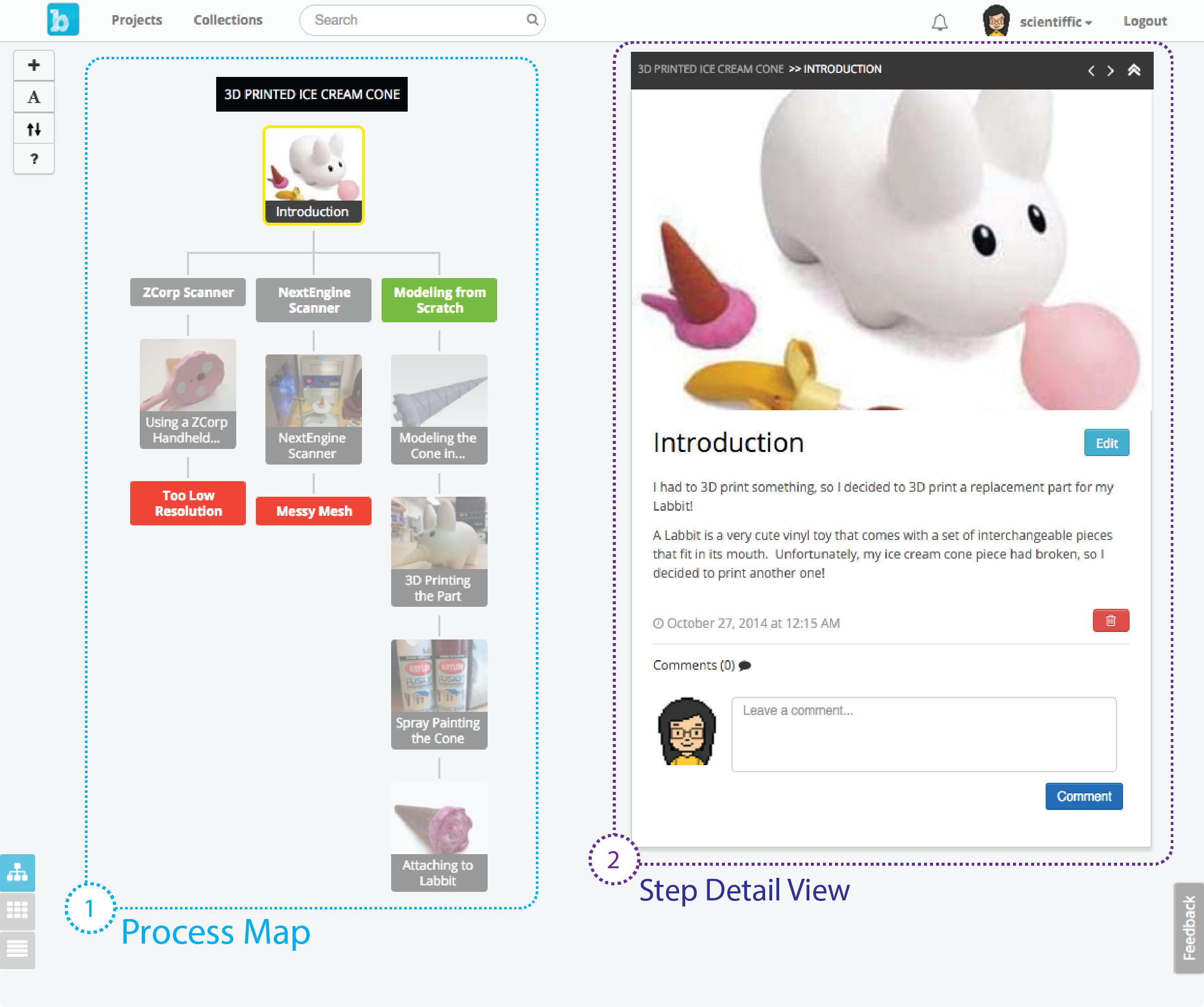
Students chose how to organize their process maps. Branches could represent different parts of a kit, activities, team members’ contributions or alternative designs. The researchers analyzed all six project pages and gathered survey and interview responses from two teams.
A central challenge was deciding what belonged in a public account. Documentation often became instructions for reproducing the finished project, leaving out experiments and mistakes. The study examines how an online representation can make design work visible while also shaping what people choose to record.